
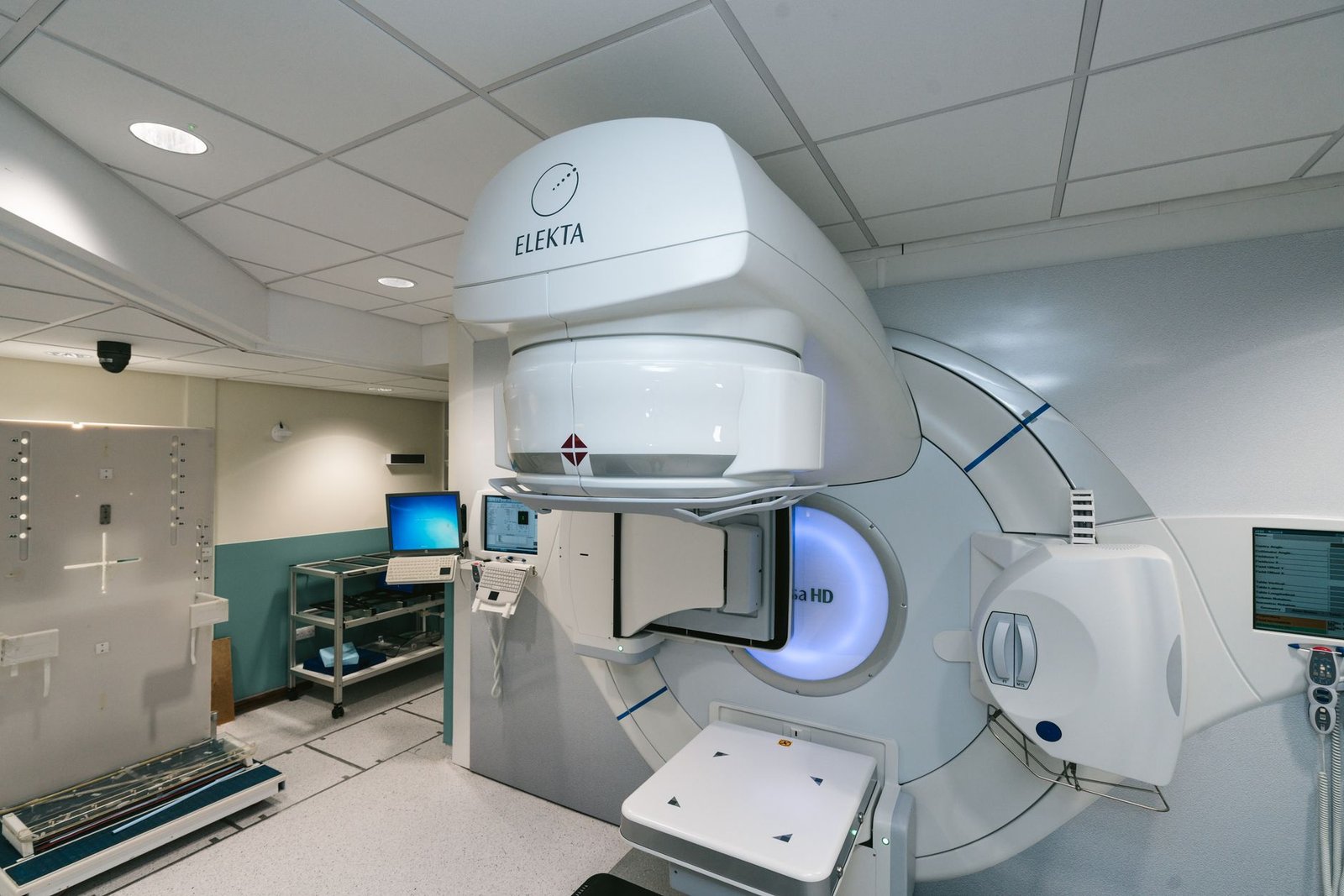

cancer diagnostics expansion is at the forefront of medical innovation, especially with DataMEDS AI’s recent acquisition of Helomics. This move aims to enhance cancer detection and treatment options.
The Impact of AI on Cancer Diagnostics
The integration of artificial intelligence (AI) in cancer diagnostics is revolutionizing the field, enhancing accuracy and speed in disease detection. As companies like DataMEDS AI expand their capabilities through strategic acquisitions, such as the recent Helomics acquisition, the potential for improved diagnostic tools becomes increasingly evident.
AI technology analyzes vast amounts of medical data, identifying patterns that may be overlooked by human clinicians. This capability significantly influences the accuracy of cancer diagnostics, leading to earlier detection and tailored treatment options for patients. The cancer diagnostics expansion driven by AI is not only improving patient outcomes but also streamlining the workflow for healthcare providers.
Several key benefits of AI in cancer diagnostics include:
- Enhanced Accuracy: AI algorithms can detect abnormalities in imaging studies and pathology slides with precision.
- Faster Results: Automated analysis reduces the time required for diagnosis, allowing for quicker treatment initiation.
- Personalized Medicine: AI assists in interpreting genetic profiles, enabling tailored therapeutic strategies for individual patients.
As the landscape of cancer diagnostics continues to evolve, the contributions of AI represent a significant shift towards more effective and efficient healthcare solutions. This expansion not only benefits patients but also reinforces the importance of innovation in the ongoing battle against cancer.
Understanding the Helomics Acquisition
The recent acquisition of Helomics by DataMEDS AI marks a significant step in the cancer diagnostics expansion landscape. This strategic move not only enhances DataMEDS’ capabilities but also solidifies its position in the rapidly evolving field of oncology.
Helomics, known for its innovative approaches to tumor profiling and personalized medicine, brings a wealth of expertise and technology to the table. The integration of Helomics’ advanced algorithms with DataMEDS’ existing platforms is expected to foster a new era of precision diagnostics. This merger highlights the growing importance of data-driven solutions in identifying and treating cancer more effectively.
As the cancer diagnostics expansion progresses, several key factors contribute to the potential success of this acquisition:
- Enhanced Technology: The combination of technologies from both companies promises improved accuracy in cancer detection.
- Broadened Expertise: The merger allows for a diverse team of specialists to tackle complex cancer cases.
- Market Reach: DataMEDS AI can leverage Helomics’ established networks and partnerships in the healthcare sector.
- Research and Development: Increased investment in R&D will drive innovation and new product offerings.
Ultimately, this acquisition represents a pivotal moment for DataMEDS AI, positioning the company to lead in the cancer diagnostics expansion and enhance patient outcomes through cutting-edge technology.
Market Trends in Healthcare Technology
The landscape of healthcare technology is rapidly evolving, particularly in the realm of cancer diagnostics expansion. As innovations continue to emerge, several key market trends are shaping the future of diagnostics and treatment.
- Increased Investment in R&D: Companies are allocating more resources to research and development aimed at cancer detection technologies. This investment is essential for the creation of more accurate and efficient diagnostic tools.
- Integration of AI: Artificial intelligence is becoming integral to the diagnostic process. By analyzing vast amounts of data, AI systems can identify patterns and improve the accuracy of cancer detection.
- Telemedicine Adoption: The rise of telehealth services is transforming how patients access diagnostic tests. Remote consultations and online diagnostics are making it easier for patients to receive timely care.
- Personalized Medicine: There is a growing emphasis on personalized approaches in cancer treatment, which relies heavily on accurate diagnostics to tailor therapies to individual patients.
- Collaborative Research: Partnerships between tech companies and healthcare providers are becoming more common, driving innovation and expanding the capabilities of cancer diagnostics.
These trends highlight a shift toward more sophisticated and accessible cancer diagnostics, providing hope for improved patient outcomes and demonstrating the industry’s commitment to expanding the frontiers of cancer care.
DataMEDS AI’s Strategic Vision
DataMEDS AI is positioning itself as a leader in the evolving landscape of cancer diagnostics expansion. With the recent acquisition of Helomics, the company aims to enhance its diagnostic capabilities through advanced artificial intelligence technologies. This strategic move is designed not only to broaden its product offerings but also to improve the accuracy and efficiency of cancer detection and treatment.
Key components of DataMEDS AI’s strategic vision include:
- Innovation in Technology: The integration of Helomics’ proprietary technology allows for a more personalized approach to cancer diagnostics, leveraging big data and machine learning.
- Collaboration with Healthcare Providers: By partnering with hospitals and clinics, DataMEDS AI seeks to ensure that its solutions are readily integrated into existing healthcare workflows, enhancing patient care.
- Focus on Research and Development: A significant portion of resources will be allocated to R&D, aiming to stay ahead of market trends and continue developing cutting-edge diagnostic tools.
- Global Expansion: DataMEDS AI plans to expand its reach into international markets, making its innovative solutions accessible to a broader audience and addressing global healthcare challenges.
By focusing on these strategic pillars, DataMEDS AI not only reinforces its commitment to cancer diagnostics expansion but also positions itself for sustained growth in a competitive healthcare technology market.
Future of Cancer Detection Solutions
The future of cancer detection solutions looks promising, as advancements in technology and innovative strategies are driving the cancer diagnostics expansion. Companies like DataMEDS AI are at the forefront of this transformation, leveraging artificial intelligence and machine learning to enhance diagnostic accuracy and speed.
As the healthcare landscape evolves, several key trends are emerging that will shape the future of cancer diagnostics:
- Personalized Medicine: Tailoring treatment plans based on individual genetic profiles is becoming increasingly common. This approach not only improves patient outcomes but also aids in early detection.
- Integration of Genomics: Genomic sequencing is providing deeper insights into cancer biology, allowing for more precise diagnostics and targeted therapies.
- Telemedicine: Remote consultations and digital health platforms are making it easier for patients to access diagnostic services, particularly in underserved areas.
- Collaboration across Industries: Partnerships between tech companies and healthcare providers are fostering innovation and accelerating the development of advanced diagnostic tools.
As these trends continue to evolve, the potential for an enhanced cancer diagnostics expansion will be realized, leading to earlier detection, better treatment options, and ultimately, improved patient survival rates. The ongoing commitment to research and development in this field is crucial in meeting the challenge posed by cancer globally.
Photo by Jo McNamara on Pexels
Sources
Related reading
Seed Funding for Startups: Proven Ways to Secure Capital · Circle Arc Mainnet: A Smart Launch with Top Validators · FOMC rate decision: What’s the Best Strategy for Investors?
