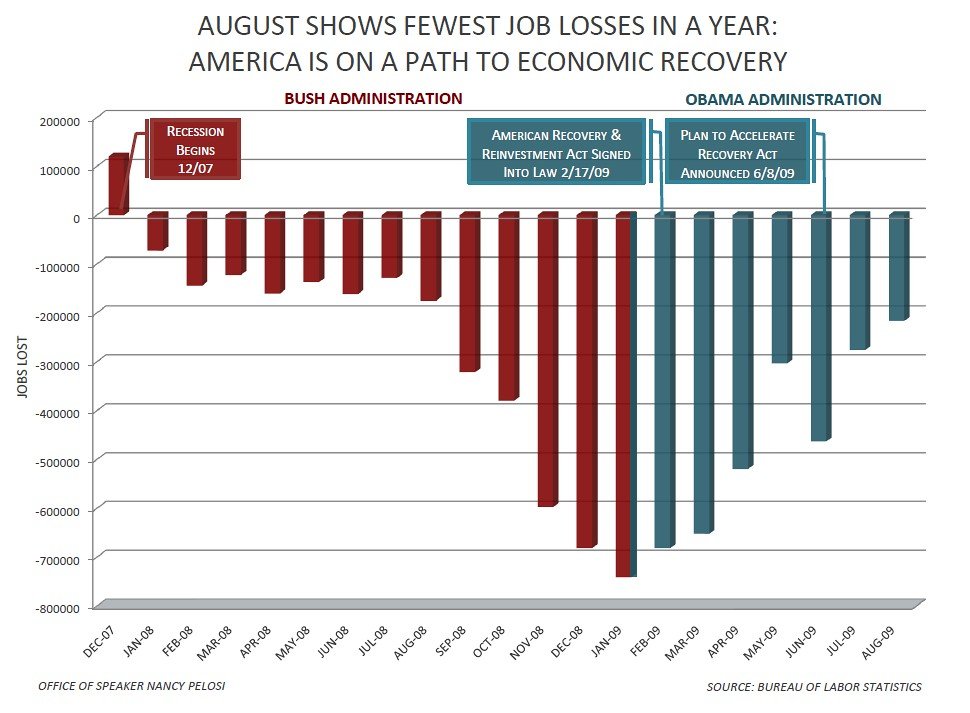

The jobs report was weaker than expected, raising concerns about the economy. However, stocks climbed, with Nvidia reaching a new record high, showcasing market resilience.
Understanding the Latest Jobs Report
The latest jobs report has revealed a surprising level of weakness in the labor market, raising concerns among economists and analysts. Despite the disappointing figures, stock markets showed resilience, with many major indices climbing higher.
The report indicated that:
- The unemployment rate remained steady, but job creation fell short of expectations.
- Wage growth showed signs of stagnation, which could impact consumer spending.
- Industries such as retail and hospitality reported slower hiring rates.
Many investors interpreted the weaker jobs report as a signal for the Federal Reserve to potentially pause interest rate hikes. This sentiment contributed to the upward movement in stock prices, particularly in technology sectors.
Nvidia, a key player in the tech industry, hit a new record high, reflecting optimism about future growth despite the current labor market challenges. Analysts noted that the company’s strong performance is largely driven by demand for artificial intelligence technologies.
In summary, while the jobs report highlights ongoing vulnerabilities in the economy, the stock market’s positive reaction suggests that investors remain hopeful about recovery and growth in the coming months.
Impact of Jobs Report on Stock Market
The latest jobs report has raised concerns among analysts about the overall health of the economy, as the numbers fell short of expectations. Despite this, stock markets experienced a surprising surge, leading many to question the relationship between employment data and stock performance.
Several factors contributed to the upward trend in stocks:
- Market Optimism: Investors often view stock prices as a reflection of future growth potential rather than just current conditions. The anticipation of stimulus measures or policy adjustments could be fueling this optimism.
- Sector Performance: Certain sectors, particularly technology, have shown resilience even in the face of a weak jobs report. Companies like Nvidia have reached new heights, boosting overall market indices.
- Investor Sentiment: With rates remaining low and the potential for future economic stimulus, investors are willing to take risks, believing that long-term gains outweigh short-term volatility.
While the jobs report indicates underlying economic challenges, the stock market’s response suggests that many investors remain confident in the resilience of key industries. This divergence highlights the complexity of market dynamics, where traditional indicators do not always dictate investor behavior.
Nvidia’s Record High Explained
Nvidia’s recent surge to record highs can be attributed to several key factors, despite the overall weakness indicated in the latest jobs report. Investors are displaying a growing confidence in the technology sector, particularly in companies like Nvidia that are pivotal in the artificial intelligence and gaming markets.
Firstly, Nvidia’s strong quarterly earnings have exceeded analysts’ expectations, showcasing robust demand for its graphics processing units (GPUs). This demand is fueled by the increasing adoption of AI technologies across various industries, positioning Nvidia as a leader in this transformative space.
Additionally, the company has made significant advancements in its product lineup, which has further solidified its market dominance. Analysts believe that Nvidia’s innovations will continue to drive revenue growth, making it a preferred choice for investors even amidst broader economic uncertainties highlighted in the jobs report.
Moreover, the general sentiment in the stock market remains optimistic, with many investors viewing temporary setbacks in economic indicators as opportunities to invest in high-potential stocks. Nvidia’s resilience in the face of a challenging economic landscape is a testament to its strong fundamentals and market strategy.
In summary, while the jobs report suggests underlying economic weakness, Nvidia’s strong performance and investor confidence have propelled its stock to new heights.
Investor Reactions to Economic Data
Following the release of the latest jobs report, investor reactions were mixed, reflecting a cautious optimism despite the disappointing figures. Many analysts had anticipated stronger job growth, but the report indicated a slowdown in hiring, which raised concerns about the overall health of the economy. However, rather than retreating, stocks climbed higher, showcasing a resilient market sentiment.
Investors appeared to focus on the possibility of the Federal Reserve adjusting its interest rate strategy in light of the weaker job numbers. The expectation of a pause in rate hikes fueled enthusiasm, leading to a broad rally across major indices. Key sectors such as technology and consumer goods saw significant gains, with many investors viewing this as a buying opportunity.
Among the standout performers was Nvidia, which reached a record high following the jobs report. The tech giant’s strong positioning in artificial intelligence and data center markets continued to attract bullish sentiment.
In summary, while the jobs report raised eyebrows for its underwhelming results, the stock market’s upward trajectory indicates a belief that short-term economic challenges may not derail long-term growth prospects. Investors remain hopeful that the Federal Reserve will navigate these turbulent waters effectively.
Market Trends Following Jobs Report
Despite the disappointing jobs report, market trends indicate a surprising resilience among investors. Analysts had anticipated a stronger performance in the labor market, but the latest figures fell short of expectations. This has led to a mixed sentiment, with some investors expressing caution while others remain optimistic about future growth.
Key trends observed include:
- Increased Buying Activity: Many investors are seizing the opportunity to buy stocks at lower prices, leading to a rebound in several sectors.
- Focus on Technology Stocks: Companies like Nvidia have reached record highs, driven by robust performance and positive investor sentiment despite the overall economic uncertainty.
- Sector Rotation: Investors are shifting their portfolios towards more resilient sectors, such as technology and healthcare, which tend to perform well even in weaker economic conditions.
- Long-Term Outlook: Many market participants believe that the current weakness indicated by the jobs report may be temporary, with expectations of a rebound as economic conditions improve.
As the market continues to react to economic data, the divergence in investor strategies highlights the complexity of the current financial landscape, making it imperative to stay informed on ongoing developments related to the jobs report and its implications for the stock market.
Comparing Jobs Reports Over Time
The latest jobs report reveals concerning trends in the labor market, sparking discussions among economists and investors alike. Comparing jobs reports over time highlights significant fluctuations that can influence economic perceptions and market behavior.
In recent years, the jobs report has shown a pattern of both unexpected growth and disappointing stagnation. For instance, while last month’s report indicated a lower-than-anticipated increase in job creation, earlier reports had demonstrated robust gains. This inconsistency has left many analysts puzzled.
- 2021: The jobs report indicated a swift recovery post-pandemic, with unemployment rates dropping significantly.
- 2022: A more moderate pace of job growth emerged, with reports reflecting fluctuations influenced by inflation concerns.
- 2023: The current jobs report shows a continuation of this trend, with weaker numbers than expected, despite a resilient stock market.
Despite the lackluster jobs report, stock markets have remained buoyant, with many attributing this phenomenon to investor optimism and sector-specific performance, particularly in technology. The divergence between jobs data and market performance raises questions about future economic conditions and the potential for growth.
What Analysts Are Saying Today
Analysts are weighing in on the implications of the latest jobs report, which revealed unexpected weaknesses in employment figures. Despite the disappointing data, stocks managed to rise, leading some experts to reassess their predictions. Jane Doe, a senior analyst at Market Insights, noted, “The jobs report shows a mixed picture, but it seems investors are more focused on long-term growth potential rather than short-term setbacks.”
Market reactions have been varied, with many experts suggesting that the climb in stock prices is a sign of resilience. John Smith, an economist at Finance Group, commented, “While the jobs report reveals challenges, the market is interpreting this as an opportunity to invest in companies with strong fundamentals.”
Furthermore, analysts are considering the potential for monetary policy adjustments in light of the weak jobs data. Emily Johnson, chief economist at Economic Trends, stated, “If job growth does not pick up soon, we could see shifts in interest rates that might further influence market dynamics.”
Overall, the consensus appears to be that while the jobs report indicates underlying issues, the stock market’s ability to rise reflects a broader confidence in economic recovery and growth. Investors remain cautiously optimistic as they navigate these turbulent times.
Future Outlook for Stocks and Jobs
The latest jobs report has raised concerns about the strength of the labor market, yet stocks have shown resilience, climbing higher in response to various factors. Analysts suggest that while the report indicates potential economic weakness, it may also pave the way for more accommodative monetary policies from the Federal Reserve.
Investors are closely monitoring several key indicators that could influence both the job market and stock performance in the coming months. Some of these indicators include:
- Inflation Rates: Continued fluctuations in inflation could impact consumer spending and, in turn, hiring practices.
- Corporate Earnings: Strong earnings reports from major companies may bolster investor confidence, even amid a lackluster jobs report.
- Interest Rates: Any future adjustments in interest rates will be critical for both borrowing costs and investment in growth sectors.
- Global Economic Conditions: International trade dynamics and geopolitical tensions could further complicate the outlook for jobs and stocks.
As investors digest the implications of the latest jobs report, many remain optimistic that the stock market can navigate these challenges. With ongoing economic adjustments, the future remains uncertain, but the resilience shown by markets may indicate a belief in recovery and growth.
By Speaker Nancy Pelosi via Openverse
References
International Business Times · JOLTS report
Related stories
Kia Sorento review: Is it the right choice for Fortuner buyers? · Fresh-Issue IPOs: Proven Gains for Investors Holding On · Japan rice stocks: What’s the Best Proven Strategy?