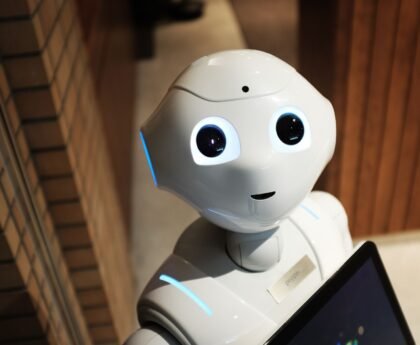
AI job cuts are becoming increasingly common as companies adapt to new technologies. However, one innovative startup is offering ₹1,900 per hour to individuals willing to walk robots, presenting a unique opportunity amid widespread layoffs.
Understanding AI Job Cuts
The rise of artificial intelligence (AI) has sparked significant shifts in the job market, leading to a wave of layoffs across various industries. Companies are increasingly automating processes, which results in AI job cuts as businesses seek to enhance efficiency and reduce operational costs.
One of the primary reasons behind these layoffs is the speed at which AI technology is advancing. Organizations are investing in AI systems that can perform tasks previously handled by human employees, leading to a decreased demand for traditional roles. This transformation is particularly evident in sectors such as manufacturing, customer service, and data entry.
However, while AI job cuts are a concerning trend, they also present new opportunities. For instance, some startups are exploring innovative ways to integrate human workers into the AI ecosystem. A notable example is a startup that is offering ₹1,900 per hour for individuals to walk robots, showcasing a unique blend of human skills and AI technology.
As the landscape of work continues to evolve, it is crucial for job seekers to adapt and acquire new skills that complement AI advancements. While the immediate impact of AI job cuts may be unsettling, the potential for new roles and industries to emerge offers a glimmer of hope for the future workforce.
The Impact of AI on Employment
The rise of artificial intelligence (AI) has sparked significant changes in the job market, leading to numerous AI job cuts across various industries. As companies increasingly adopt automation technologies, the demand for traditional roles is declining, resulting in layoffs and job losses. However, this shift also brings about new opportunities and avenues for employment.
Many sectors are witnessing a transformation in job roles, where the focus is shifting from manual tasks to more strategic positions that require human creativity and problem-solving skills. Some key impacts of AI on employment include:
- Job Displacement: Routine jobs are being automated, leading to a decrease in demand for certain positions.
- Creation of New Roles: The emergence of AI technology has spurred the development of roles such as AI specialists, data analysts, and robotics technicians.
- Skills Gap: As the workforce adapts to new technologies, there is a growing need for reskilling and upskilling to meet industry demands.
Despite the challenges posed by AI job cuts, innovative companies are exploring ways to integrate human labor with technology. For instance, some startups are offering competitive wages for roles that support AI systems, illustrating a shift towards collaboration between humans and machines.
Unique Job Offers in Robotics
As companies navigate the challenges posed by AI job cuts, a new wave of opportunities is emerging in the field of robotics. One innovative startup is breaking the mold by offering unique job positions that combine technology with human interaction. This initiative highlights a shift in the job market towards roles that require human skills in conjunction with advanced AI systems.
Workers are being recruited to perform tasks such as:
- Walking robots: Individuals are paid ₹1,900 per hour to guide and interact with robotic systems, ensuring they function as intended in various environments.
- Monitoring AI behavior: Employees are tasked with observing and reporting on the interactions between humans and machines, which is crucial for improving AI algorithms.
- Providing customer support: Humans are still needed to assist users with technology-related issues, bridging the gap between customers and robotic systems.
This trend emphasizes the importance of human oversight in an increasingly automated world. As businesses adapt to the realities of AI job cuts, they are also recognizing the value of human expertise in robotics. By creating new job offers that leverage human skills, companies can better integrate AI into their operations while providing employment opportunities in an evolving job landscape.
How to Apply for Robot Walking Jobs
As the wave of AI job cuts continues to reshape the employment landscape, innovative job opportunities are emerging in unexpected areas. One such opportunity lies in the realm of robot walking jobs, which have gained traction thanks to startups looking to enhance their robotic technologies. If you’re interested in applying for these unique positions, here are some steps to consider:
- Research Companies: Start by identifying startups that specialize in robotics and automation. Look for those that are actively hiring for robot walking jobs.
- Prepare Your Resume: Tailor your resume to highlight any relevant experience, such as familiarity with technology, robotics, or customer service roles. Emphasize skills that could benefit the position.
- Apply Online: Most companies will have an online application process. Submit your resume and cover letter through their careers page, ensuring that you follow any specific instructions given.
- Network: Connect with professionals in the robotics field through LinkedIn or industry events. Networking can provide insights and improve your chances of landing a job.
- Stay Updated: Keep an eye on job boards and company announcements for new openings or changes in hiring practices related to robot jobs.
With the rise of robotics, walking jobs present a new avenue for employment amidst the backdrop of AI job cuts.
The Future of Work with AI
The integration of artificial intelligence into the workplace has sparked a significant transformation in how companies operate. With AI job cuts becoming a common theme across various industries, the landscape of employment is rapidly evolving. As automation takes over routine tasks, many traditional roles are being redefined or eliminated, leading to widespread layoffs.
However, this shift also opens up new avenues for innovation and employment. Companies are now seeking individuals who can work alongside AI technologies, particularly in roles that require human expertise in overseeing and managing automated systems. This creates a demand for unique skill sets that blend human intuition with technological prowess.
For instance, the rise of robotics has led to job opportunities in areas such as programming, maintenance, and even walking robots. Startups are emerging that offer attractive compensation, such as ₹1,900 per hour for roles involving physical interaction with robotic systems. This signifies a shift in how we view work, with an emphasis on collaboration between humans and machines.
As we navigate this new era, it is essential for the workforce to adapt by acquiring skills relevant to the AI-driven future. Embracing lifelong learning and flexibility will be crucial as we redefine our roles in a world increasingly influenced by artificial intelligence.
Startup Innovations in India
In recent months, the landscape of employment in India has been significantly impacted by AI job cuts, prompting many startups to innovate and adapt. Amidst the backdrop of layoffs, one particular startup has emerged with a unique approach to harnessing human talent in the field of robotics.
This startup is offering an attractive pay of ₹1,900 per hour for individuals willing to walk robots, showcasing how technology can create new job opportunities rather than solely eliminate them. The initiative not only highlights the evolving nature of work but also underscores the potential for humans to collaborate with AI and robotics in meaningful ways.
Several other startups in India are following suit, exploring innovative roles that leverage human skills in AI-driven environments. Key areas of focus include:
- Human-AI Collaboration: Developing roles that enhance the interaction between humans and intelligent systems.
- Skill Development: Offering training programs to equip workers with the necessary skills to thrive in an AI-centric job market.
- New Job Roles: Creating positions that require a human touch, such as customer service for AI products and robot management.
As the world navigates the complexities of AI, these innovations may just pave the way for a more resilient workforce in India.
Challenges Facing Laid-Off Workers
The rise of automation and artificial intelligence (AI) has led to significant job cuts in various industries, leaving many workers facing unexpected challenges. As companies streamline operations to incorporate AI technologies, the laid-off workforce must navigate a new employment landscape.
One of the primary challenges facing those affected by AI job cuts is the need to acquire new skills. Many positions are becoming obsolete, and workers must adapt by learning to work alongside AI or pivoting to entirely new roles. This requires time, resources, and often financial investment in education or training programs.
Additionally, the emotional toll of job loss cannot be understated. Many workers experience feelings of uncertainty and anxiety as they seek new employment opportunities. The transition can be particularly challenging for those who have spent years in a specific industry, as they may feel ill-equipped to compete in a job market increasingly dominated by technology.
Moreover, with the influx of candidates seeking new roles, competition has intensified. Laid-off workers may find themselves vying for positions against individuals with specialized skills or experience in AI-related fields, further complicating their job search.
Despite these hurdles, there are emerging opportunities in sectors like robotics, where companies are looking for human workers to complement AI functions, providing a glimmer of hope amid the wave of layoffs.
The recent wave of AI job cuts has sparked discussions about the future of work and the changing landscape of industries. As companies adapt to new technologies, these AI job cuts may also pave the way for new opportunities in emerging fields.
Sources
Sera Investments earnings results: Clear insights for Q2 2026 · Small Business Tax Exemption: 3 Years of Proven Savings Ahead · Stock Market Prediction: Best Clear Outlook for Diwali