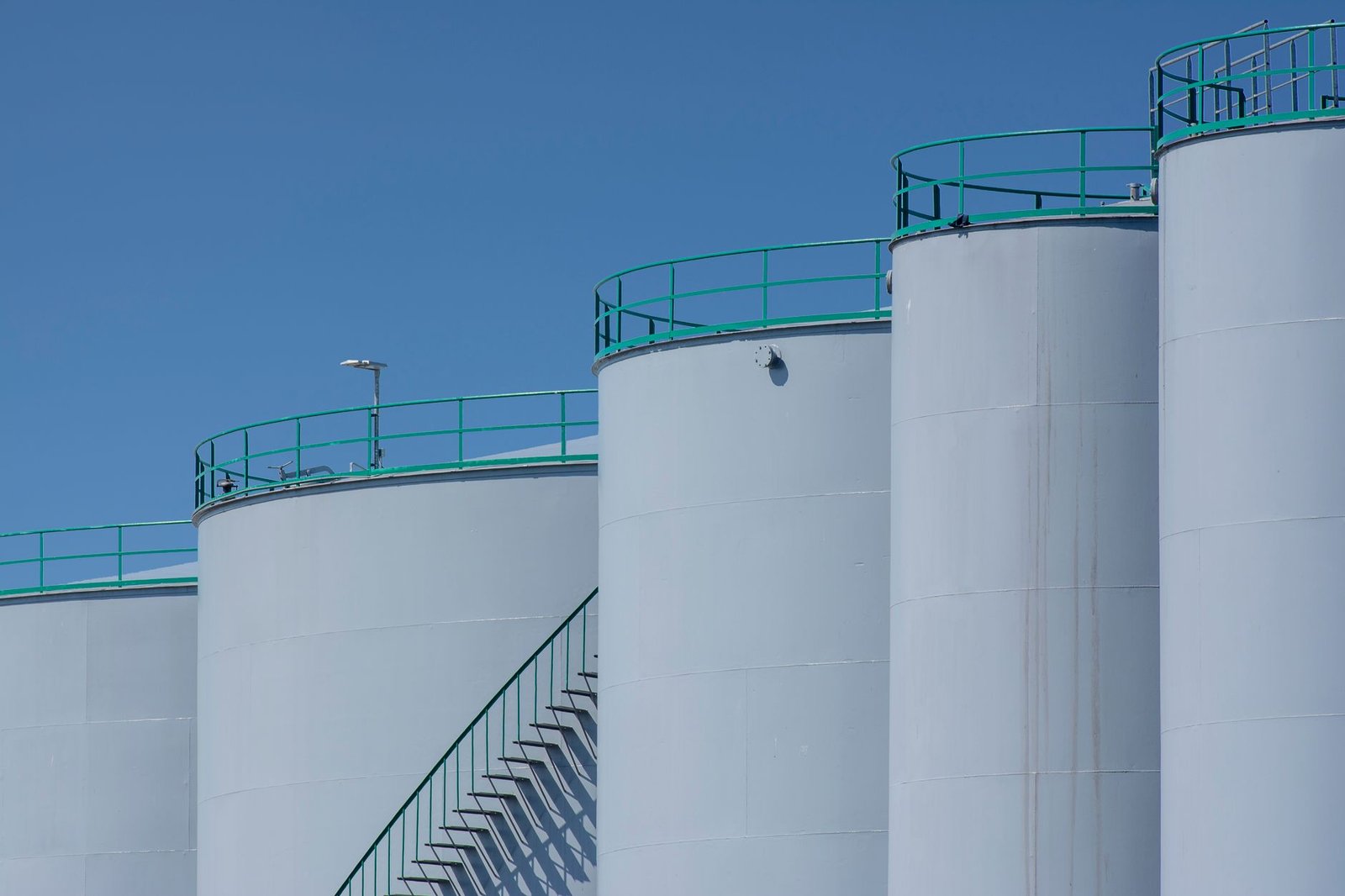

The Dangote refinery IPO is generating significant interest as talks with the SEC progress. Investors are eager to understand the implications of this potential secondary sale.
What is the Dangote refinery IPO?
The Dangote refinery IPO represents a significant milestone in Nigeria’s economic landscape, as it is poised to transform the country’s oil and gas sector. The initial public offering is part of a broader strategy by Aliko Dangote to attract investment and enhance operational efficiency at his refinery, which is one of the largest in Africa.
This IPO entails the sale of a portion of the refinery’s shares to the public, allowing investors to buy into a venture that promises substantial returns. With a production capacity of 650,000 barrels per day, the refinery aims to reduce Nigeria’s reliance on imported petroleum products and bolster local production.
Recently, reports have emerged that the Securities and Exchange Commission (SEC) is in discussions with Dangote Group regarding a secondary sale to meet the growing demand for the IPO. This indicates a strong market interest and confidence in the refinery’s potential.
Investors are keenly watching this opportunity, as it could not only provide financial gains but also play a critical role in the country’s economic development. As the details unfold, many are left wondering if the Dangote refinery IPO will indeed be the best investment opportunity in the current market landscape.
Current status of SEC talks
The current status of discussions between Dangote Group and the Securities and Exchange Commission (SEC) is pivotal for the upcoming Dangote refinery IPO. As both parties engage in talks, the primary goal is to facilitate a secondary sale aimed at meeting the burgeoning demand for shares in the refinery’s initial public offering.
Recent reports indicate that the SEC is working closely with Dangote officials to ensure that the IPO aligns with regulatory requirements while also addressing investor interest. This collaboration is crucial, as the refinery is poised to become a significant player in Africa’s oil industry, potentially reshaping the market landscape.
Key points from the ongoing discussions include:
- Regulatory Compliance: Ensuring all aspects of the IPO meet SEC standards.
- Investor Confidence: Strategies to bolster investor interest and participation.
- Market Dynamics: Assessing the economic environment and its impact on the IPO.
As the talks progress, stakeholders are keenly watching how these negotiations will influence the timing and success of the Dangote refinery IPO, which many view as a potentially lucrative investment opportunity.
Why is the IPO important?
The Dangote refinery IPO is significant for several reasons that could impact investors and the broader economy. First, it represents a major step in Nigeria’s efforts to become self-sufficient in fuel production, reducing reliance on imports. This shift could stabilize fuel prices and improve overall economic conditions in the country.
Moreover, the refinery is expected to create thousands of jobs, contributing to local employment and boosting the economy. The anticipated influx of capital from the IPO will also allow Dangote to expand its operations and improve infrastructure, further benefiting the community.
Investors are particularly interested in the Dangote refinery IPO due to the potential for high returns. The refinery, once operational, is projected to generate significant revenue, making shares an attractive option. Additionally, the Nigerian government supports the initiative, which may lead to more favorable regulatory conditions and increased investor confidence.
Finally, the IPO could serve as a benchmark for future investments in the region, showcasing the potential of the African market to global investors. As the talks with the SEC progress, the importance of this IPO continues to grow, marking a pivotal moment for both the company and the Nigerian economy.
Investors’ perspectives on Dangote
Investors are closely monitoring the developments surrounding the Dangote refinery IPO, as many see it as a potential game changer in Nigeria’s oil sector. With the refinery poised to become one of the largest in Africa, sentiments in the investment community are largely optimistic.
Several factors are influencing investor perspectives:
- Market Position: The refinery is strategically located and is expected to reduce Nigeria’s reliance on imported fuels, which could bolster local economic growth.
- Financial Returns: Investors are attracted to the prospect of high returns given the refinery’s capacity to process 650,000 barrels of oil per day.
- Government Support: The backing from the Nigerian government has instilled confidence, as regulatory frameworks are being aligned to facilitate a smoother IPO process.
- Long-term Vision: Many investors view the Dangote refinery as a critical component in the shift towards energy independence in Nigeria, which could have lasting benefits.
However, some remain cautious, citing potential risks such as fluctuations in oil prices and regulatory challenges. Overall, the Dangote refinery IPO is viewed as an opportunity that could reshape investment in the region.
Potential risks and rewards
As investors consider the Dangote refinery IPO, it is essential to weigh both potential risks and rewards. The refinery, touted as one of Africa’s largest, presents an intriguing investment opportunity, but it’s not without its challenges.
- Market Volatility: The oil and gas sector is known for price fluctuations. An unexpected drop in oil prices could impact the refinery’s profitability and, consequently, share value.
- Regulatory Hurdles: Ongoing discussions between Dangote and the Securities and Exchange Commission (SEC) highlight the complexities of regulatory approvals. Delays in these talks could postpone the IPO and affect investor sentiment.
- Operational Risks: As with any large-scale industrial project, operational risks, such as equipment failures or supply chain disruptions, could hinder production and affect revenue.
- Competition: The entrance of new players into the market could pose a threat to Dangote’s market share, impacting long-term growth prospects.
Conversely, the rewards could be substantial. If successful, the IPO may attract significant investment, providing the capital needed for expansion and innovation, ultimately benefiting shareholders in the long run.
Future outlook for Nigerian IPOs
The future outlook for Nigerian IPOs, including the highly anticipated Dangote refinery IPO, appears promising as the market evolves. Investors are increasingly showing interest in local offerings, especially in light of recent regulatory developments and the stabilization of the economy. Analysts predict that the upcoming months could witness a surge in IPO activity as businesses look to capitalize on improving market conditions.
Several factors contribute to this optimism:
- Regulatory Support: The Securities and Exchange Commission (SEC) has been working diligently to create a more transparent and efficient framework for IPOs, encouraging more companies to consider public listings.
- Economic Recovery: With Nigeria’s economy gradually recovering from previous downturns, investors are more willing to explore new opportunities, including the Dangote refinery IPO.
- Increased Local Investment: There is a growing trend of local investors seeking to diversify their portfolios by investing in domestic businesses, which could bode well for future IPOs.
Overall, the landscape for Nigerian IPOs seems ripe for growth, with the Dangote refinery IPO positioned as a potentially lucrative opportunity for both domestic and international investors.
Photo by Jan van der Wolf on Pexels