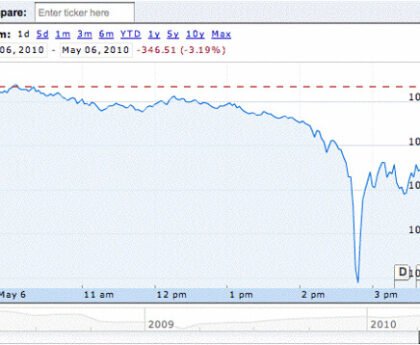

The banking index surge has been remarkable, with major banks like HDFC, ICICI, and Axis witnessing significant share price increases. Investors are keen to understand the implications of this surge.
Understanding the Banking Index Surge
The recent surge in the banking index has captured the attention of investors, as shares of major players like HDFC Bank, ICICI Bank, and Axis Bank have experienced significant increases. Over the past month, the banking index has zoomed by an impressive 18%, prompting questions about the factors driving this swift ascent.
Several elements contribute to the banking index surge. Among them are:
- Improved Financial Performance: Leading banks have reported robust quarterly results, showcasing strong loan growth and improved asset quality.
- Economic Recovery: As the economy rebounds, consumer spending and business activity have intensified, leading to increased demand for banking services.
- Regulatory Support: Recent policy measures aimed at stabilizing the financial sector have bolstered investor confidence.
For investors, the current environment presents both opportunities and risks. It is essential to conduct thorough research and consider diversifying portfolios to mitigate potential downturns. By staying informed and strategically navigating the market, investors can capitalize on the ongoing banking index surge and make informed decisions that align with their financial goals.
Key Factors Behind Recent Growth
The recent growth in the banking index can be attributed to several key factors that have influenced investor sentiment and market dynamics.
- Improved Financial Performance: Major banks like HDFC Bank and ICICI Bank reported stronger-than-expected quarterly earnings, showcasing resilience and robust loan growth.
- Interest Rate Stability: With the central bank maintaining a stable interest rate environment, lending margins have remained favorable, encouraging banks to expand their lending portfolios.
- Government Initiatives: Recent government policies aimed at boosting economic activity have positively impacted the banking sector, leading to increased consumer and business confidence.
- Regulatory Support: Regulatory measures that promote transparency and strengthen the financial system have reassured investors, fostering a sense of security in bank stocks.
- Technological Advancements: The adoption of digital banking solutions has enhanced operational efficiency, leading to cost reductions and improved customer engagement.
As the banking index surge continues, investors are encouraged to stay informed and consider these factors when making strategic investment decisions in this rapidly evolving sector.
What Investors Should Know Now
As the banking index surge continues to attract attention, investors should consider several crucial factors before making any decisions. The recent uptick in bank shares, notably HDFC Bank, ICICI Bank, and Axis Bank, indicates a strong market sentiment, but it’s essential to approach these developments with caution.
Investors should keep the following points in mind:
- Market Trends: Analyze the broader market trends that may impact the banking sector. A surge in the index could be influenced by macroeconomic factors, such as interest rates and inflation.
- Diversification: Consider diversifying your portfolio to mitigate risks. Investing solely in banking stocks may expose you to sector-specific downturns.
- Long-Term Perspective: Evaluate your investment horizon. Short-term gains can be enticing, but a long-term perspective often yields better results.
- Research: Stay informed about regulatory changes and economic policies that could affect the banking industry.
By understanding these dynamics, investors can make smart moves that align with their financial goals in light of the ongoing banking index surge.
Expert Opinions on Future Trends
Experts are weighing in on the recent banking index surge, emphasizing the importance of strategic investments in this dynamic market. Many analysts believe that the upward trend is likely to continue due to several key factors.
According to financial strategist Ravi Sharma, “The banking sector is poised for substantial growth as interest rates stabilize and economic recovery gains momentum. This presents a unique opportunity for investors.”
Similarly, Dr. Neha Gupta, an economist at a leading financial institution, suggests that “Investors should focus on well-established banks like HDFC and ICICI, which have demonstrated resilience and consistent performance.”
Market analysts also highlight the potential for technological advancements within the banking sector to drive future growth. Rajesh Mehta, a market researcher, notes that “With the increasing adoption of digital banking, the sector is set to attract a younger demographic, further fueling the banking index surge.”
As investors look ahead, experts recommend diversifying portfolios and staying informed about market trends. By making informed decisions, investors can capitalize on the momentum of the banking index and position themselves for long-term success.
Risks to Consider in Banking Stocks
While the recent banking index surge presents exciting opportunities for investors, it’s essential to consider several risks associated with banking stocks. Understanding these risks can help in making informed investment decisions.
- Economic Factors: The banking sector is closely tied to the overall economy. A downturn could affect loan defaults and profitability.
- Regulatory Changes: Banks are subject to stringent regulations that can change without warning. New policies may impact their operations and profitability.
- Interest Rate Fluctuations: Changes in interest rates can significantly affect net interest margins. A rise in rates may benefit banks, but it can also slow down borrowing.
- Market Volatility: Stock prices can be affected by market sentiment. A sudden market downturn can lead to sharp declines in banking stocks, even if fundamentals remain strong.
- Competition: The rise of fintech companies poses a challenge to traditional banks, potentially eroding their market share and profitability.
Investors should weigh these risks against the potential rewards of the banking index surge before making any decisions.
Long-term Outlook for Investors
The long-term outlook for investors in the banking sector remains optimistic, especially following the recent banking index surge. Analysts suggest that the current momentum is supported by several fundamental factors that could influence the market positively in the coming years.
One key aspect is the robust financial performance of major banks. Institutions such as HDFC Bank, ICICI Bank, and Axis Bank have shown significant growth, which bodes well for the overall sector. Investors should consider the following strategies to capitalize on this trend:
- Diversification: Spreading investments across various banking stocks can mitigate risks and enhance returns.
- Long-term focus: Holding onto quality banking stocks through market fluctuations can yield substantial gains over time.
- Regular monitoring: Keeping an eye on economic indicators and bank performance will help investors make informed decisions.
While the recent surge is encouraging, potential investors should be aware of market volatility and remain cautious. With strategic planning and thorough research, individuals can navigate the evolving landscape and position themselves for future success.
By faungg’s photos via Openverse
Read the original
You might also like
Nutanix shares drop: What caused this unexpected decline? · Cyprus Property VAT 2026: The Best Simple Guide You Need · LPG production India: Best Proven Strategies for Growth