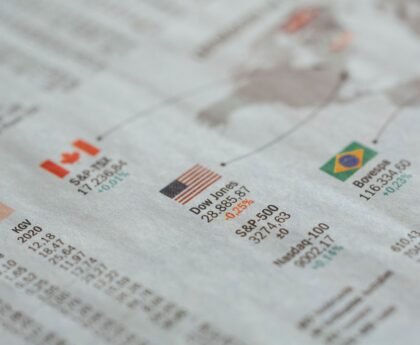

The stock market crash has sent shockwaves through investors as the Sensex sheds 1,686 points from the day’s high. Understanding the reasons behind this crash is crucial for market participants.
Understanding the Stock Market Crash
The stock market crash is a phenomenon that can send shockwaves through the economy, affecting not only investors but also everyday consumers. Understanding the underlying causes can help individuals navigate these turbulent times.
Several factors contribute to a stock market crash, including:
- Economic Indicators: Poor economic data, such as rising unemployment rates or declining GDP, can trigger panic among investors.
- Geopolitical Tensions: Events like wars, trade disputes, or political instability can create uncertainty, leading to sell-offs in the market.
- Interest Rate Changes: When central banks raise interest rates, it can increase borrowing costs and dampen consumer spending, which may lead to a downturn in stock prices.
- Market Speculation: Excessive speculation and overvaluation of stocks can create bubbles that eventually burst, resulting in significant losses.
- Technological Failures: Trading errors or system outages can exacerbate market conditions, leading to rapid declines.
In recent events, the Sensex shed 1,686 points from its day’s high, illustrating the immediate impact of these factors on banking and metal stocks. Understanding these causes is essential for anyone looking to make informed investment decisions.
Impact on Banking Stocks
The recent stock market crash has significantly impacted banking stocks, leading to a wave of concern among investors. As the Sensex shed 1,686 points from the day’s high, many banks reported a sharp decline in their share prices, reflecting the overall market sentiment.
Several factors contributed to this downturn:
- Economic Uncertainty: Investors are wary of the potential for a prolonged economic slowdown, which could adversely affect loan growth and asset quality.
- Regulatory Changes: New regulations aimed at curbing risks in the banking sector have raised concerns about profitability.
- Global Market Trends: A sell-off in international markets has led to a ripple effect, impacting domestic banking stocks.
Banking stocks are particularly vulnerable during a stock market crash, as their performance is closely tied to consumer confidence and economic stability. As fears of recession grow, many investors are re-evaluating their positions in the banking sector, leading to further declines in stock prices.
Analysts recommend that investors keep a close eye on these trends and consider the long-term implications of the current volatility in the stock market.
Effects on Metal Stocks
The recent stock market crash has not only affected banking stocks but also led to significant declines in metal stocks. Investors are increasingly worried about the future performance of these commodities, as the market reacts to global economic uncertainties.
In the face of the stock market crash, metal stocks have experienced volatile trading sessions, resulting in substantial losses for many companies. Some of the most affected sectors include:
- Steel: Major steel producers have seen their share prices plummet, with analysts suggesting that reduced demand and oversupply are major contributing factors.
- Aluminum: Falling aluminum prices have put pressure on manufacturers, leading to concerns about profitability in the coming quarters.
- Precious Metals: Despite being traditionally viewed as safe-haven investments, even precious metals have not been immune to the downturn, as market volatility triggers panic selling.
As investors reassess their portfolios, many are looking for signs of recovery in metal stocks. However, the fear of a prolonged downturn continues to loom, making it difficult for these sectors to regain stability in the aftermath of the stock market crash.
Historical Context of Market Crashes
The historical context of market crashes provides valuable insights into the underlying causes and potential consequences of such events. A stock market crash is often precipitated by a combination of factors, both external and internal, that can lead to a sudden and severe decline in stock prices.
One of the most significant market crashes occurred in 1929, marking the beginning of the Great Depression. The rapid expansion of credit and speculative investments in the years preceding the crash created an unsustainable bubble. When the bubble burst, it led to widespread panic among investors.
Another notable event was the dot-com bubble of the late 1990s. Overvaluation of technology stocks, driven by hype and speculation, resulted in a dramatic market correction in 2000. This indicated how investor sentiment could drastically shift, resulting in a stock market crash.
In more recent times, the 2008 financial crisis highlighted the vulnerabilities within the banking sector and housing market. Systematic failures and risky financial practices led to a sharp decline in stock values, affecting global economies.
Understanding these historical patterns is crucial for investors and policymakers alike, as they navigate the complexities of the stock market and work to mitigate the risks associated with future crashes.
Expert Opinions on Current Trends
As the stock market crash unfolds, experts are weighing in on the current trends that may have contributed to this downturn. Analysts suggest that a combination of factors has led to the recent volatility, creating a perfect storm for investors.
- Interest Rate Hikes: Many financial experts believe that the central bank’s decision to raise interest rates has made borrowing more expensive, which negatively impacts consumer spending and business investments.
- Geopolitical Instability: Ongoing tensions in various regions have left investors anxious, leading to increased selling pressure in the markets.
- Inflation Concerns: Rising inflation rates have prompted fears of an economic slowdown, causing uncertainty that has further exacerbated the stock market crash.
- Technological Sector Correction: After years of growth, the tech sector has seen a significant correction, which has had ripple effects across the broader market.
Experts emphasize the importance of remaining vigilant and informed during these turbulent times. They caution that while the current downturn may seem alarming, historically, markets have shown resilience and the potential for recovery.
Investor Reactions and Strategies
In the aftermath of the recent stock market crash, investor reactions have varied widely, reflecting a mix of panic and strategic recalibration. Many investors found themselves grappling with significant losses, prompting immediate sell-offs in an attempt to mitigate further damage. Others, however, chose to adopt a more measured approach, viewing this downturn as an opportunity to buy undervalued stocks.
Among the strategies employed by investors are:
- Rebalancing Portfolios: Investors are reassessing their portfolios to ensure a balanced mix of assets, which can help reduce risk during volatile periods.
- Long-Term Investments: Some are focusing on long-term gains, believing that the market will eventually recover from the current stock market crash.
- Diversifying Assets: A shift towards diversification is evident, with many turning to alternative investments such as real estate or commodities to hedge against market volatility.
As emotions run high, the importance of informed decision-making has never been clearer. Investor sentiment remains cautious, and as the market continues to fluctuate, strategies may need to evolve in response to new developments.
Future Outlook for the Stock Market
As investors grapple with the aftermath of the recent stock market crash, the future outlook remains uncertain. Analysts are closely monitoring several factors that could influence market recovery.
- Economic Indicators: Key economic indicators such as inflation rates, employment figures, and consumer spending will play a significant role in shaping market sentiment.
- Monetary Policy: The stance of central banks on interest rates is crucial. Any shifts in policy could either bolster recovery or exacerbate market volatility.
- Geopolitical Events: Global tensions and political stability can impact investor confidence, potentially leading to further fluctuations in stock prices.
Experts suggest that while the stock market crash has shaken investor confidence, it may also present opportunities for long-term gains. Many analysts advocate for a cautious approach, urging investors to consider diversifying their portfolios to mitigate risks.
In conclusion, the path ahead for the stock market will depend on a complex interplay of economic conditions and investor psychology. As the market seeks to stabilize, staying informed and adaptable will be key for investors navigating the uncertain landscape following the recent crash.
Government Response to Market Volatility
The recent stock market crash has prompted a significant response from government officials and financial regulators. As investors grapple with the implications of the sharp decline, authorities are tasked with stabilizing the market and restoring confidence among stakeholders.
One of the primary measures being discussed is the implementation of fiscal stimulus packages. Such packages aim to bolster economic growth by providing support to struggling sectors and encouraging consumer spending. Additionally, monetary policy adjustments may be considered, including interest rate cuts to enhance liquidity in the financial system.
Regulators are also focusing on enhancing transparency and oversight in the markets. This includes evaluating trading practices and examining the role of algorithmic trading, which has been scrutinized for potentially exacerbating market volatility during critical periods.
Further, government officials are engaging with financial institutions to ensure that they have adequate capital buffers to withstand market shocks. This dialogue is crucial to prevent a domino effect that could lead to a broader economic downturn.
As these strategies unfold, the effectiveness of the government response will be vital in shaping the recovery trajectory following the stock market crash.
By mudpig via Openverse
Where this came from
You might also like
CoinDesk 20 Crypto ETFs: The Worst Shelved Investments · Indian equities outlook: What are the best strategies now? · Crypto ETF news: Worst BTC, ETH, XRP Outflows Amid Crash