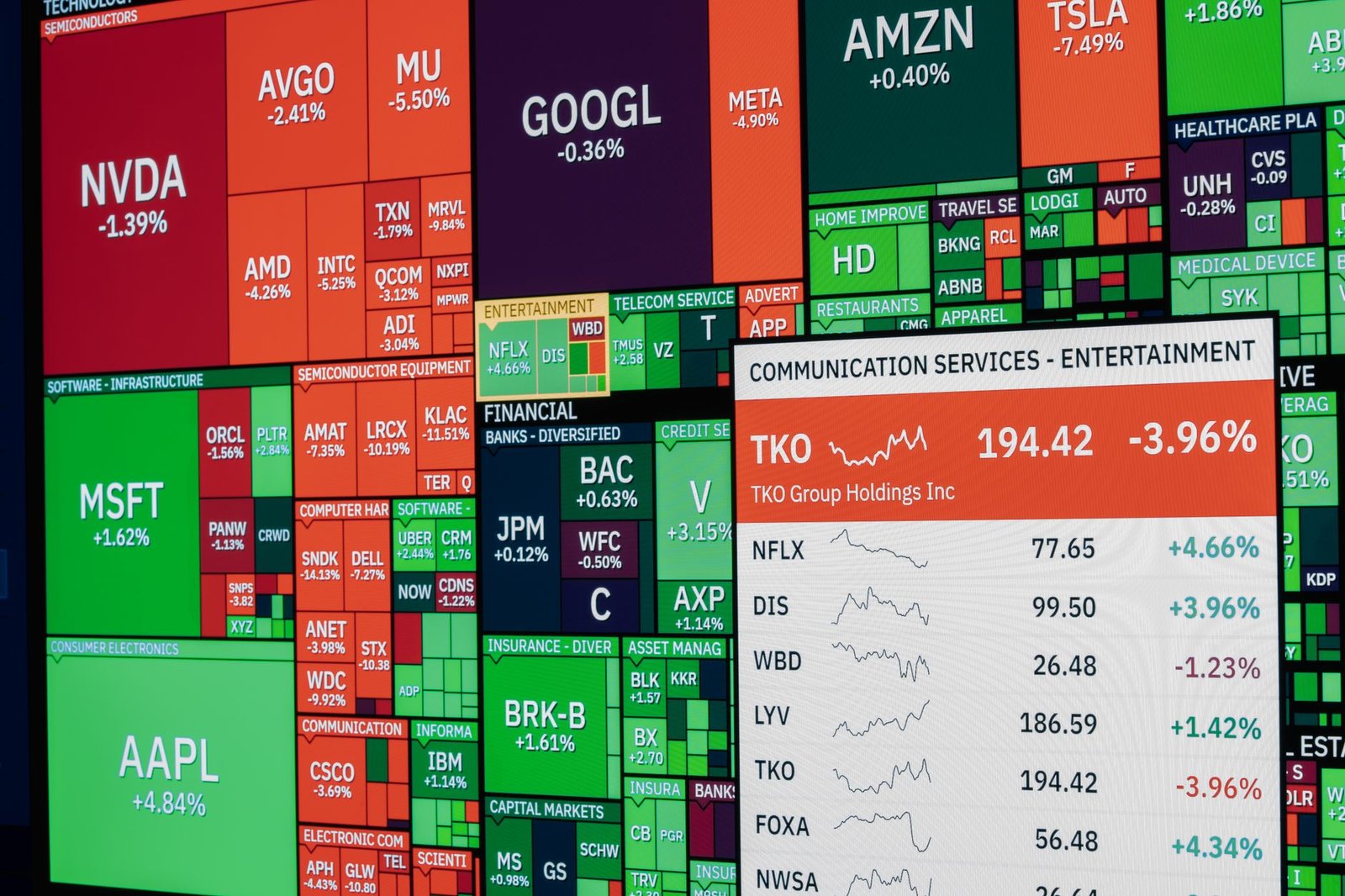

Stock Market Today reveals a significant decline as the Sensex slides 930 points. This downturn raises concerns among investors about market stability.
Understanding the Current Market Trends
The stock market today has shown significant volatility, leaving many investors questioning whether it is the worst time to invest. Recent data indicates a troubling trend, with the Sensex sliding by 930 points, and the Nifty index falling below the 22,300 mark. This decline has raised concerns among market participants regarding the sustainability of current prices.
Several factors are contributing to this downturn:
- Global Economic Uncertainty: Economic slowdowns in major markets have led to increased caution among investors.
- Interest Rate Hikes: The potential for further interest rate increases has created a cautious atmosphere, impacting borrowing and spending.
- Sector-Specific Issues: Companies like Adani Enterprise have faced significant losses, with a reported drop of 7%, which can influence broader market sentiment.
While some analysts argue that this may present buying opportunities, others caution against jumping in too quickly. Understanding these current market trends is crucial for making informed investment decisions in such a turbulent environment.
Why Did Sensex Drop 930 Points?
The recent decline in the stock market has raised concerns among investors, particularly with the Sensex dropping a staggering 930 points. Several factors contributed to this significant downturn, prompting questions about whether it is the worst time to invest.
One major element influencing the market’s performance is the ongoing volatility in global financial conditions. Investors are reacting to interest rate hikes and inflationary pressures that have been affecting markets worldwide. Additionally, concerns surrounding geopolitical tensions have further unsettled market sentiments.
Specifically, the decline in major stocks has also played a crucial role. The shares of Adani Enterprise fell by 7%, impacting overall market performance and investor confidence. Analysts suggest that this drop signifies a broader trend, and caution investors to reassess their strategies during these turbulent times.
- Global financial conditions remain unstable.
- Interest rates and inflation are causing market jitters.
- Geopolitical tensions continue to impact investor sentiment.
In summary, as the stock market today reflects these challenges, investors must carefully consider their next steps.
Impact of Adani Enterprise’s Decline
The decline of Adani Enterprises has significantly impacted investor sentiment in the stock market today. As one of the largest conglomerates in India, its performance often serves as a bellwether for broader market trends. The company saw a steep drop of 7%, contributing to the overall downturn that resulted in the Sensex sliding 930 points.
Analysts point out several factors behind this decline:
- Market Volatility: Ongoing fluctuations in global markets have raised concerns among investors, prompting many to pull back from high-risk stocks.
- Regulatory Scrutiny: Increasing scrutiny from regulators has put additional pressure on Adani Enterprises, leading to uncertainty in its future performance.
- Investor Sentiment: The drop in stock price has negatively affected investor confidence, amplifying fears of a wider market correction.
With the current state of the stock market today, many are left wondering if it is indeed the worst time to invest.
Investor Reactions to Market Changes
As the stock market today reflects significant downturns, investor reactions have been mixed, with many expressing concern over the recent volatility. The sharp decline of the Sensex by 930 points has left numerous investors questioning their strategies.
Some investors have taken a cautious approach, opting to hold onto their assets in anticipation of a market rebound. Others, however, have viewed this as an opportunity to buy at lower prices, believing that the current dip may lead to future gains.
- Conservative Investors: Many are choosing to wait it out, hoping for stabilization before making any further investments.
- Opportunistic Traders: A segment of investors sees potential in undervalued stocks, particularly in sectors that may recover quicker.
- Long-Term Planners: Those with a long-term perspective are advising against panic selling, emphasizing the cyclical nature of markets.
Ultimately, the overall sentiment is one of caution, as investors navigate the complexities of a market in flux. The question remains: is this truly the worst time to invest?
Future Predictions for the Stock Market
As investors grapple with the recent turmoil in the stock market, analysts are weighing in on future predictions for the stock market. With the Sensex sliding 930 points and the Nifty falling below the critical 22,300 level, many are left wondering if now is truly the worst time to invest.
Several factors are anticipated to influence the market in the coming weeks:
- Economic Data Releases: Upcoming reports on inflation and employment figures may provide insights into the overall economic health.
- Global Market Trends: Movements in international markets, particularly in the U.S. and Europe, may affect local investor sentiment.
- Corporate Earnings Reports: The performance of major companies, particularly after the decline of Adani Enterprises, will be closely monitored.
- Policy Changes: Any announcements from the government or central bank regarding fiscal and monetary policies could sway market dynamics.
Investors are encouraged to stay informed and consider their strategies carefully as they navigate these uncertain times in the stock market today.
How to Navigate Market Volatility
As investors grapple with uncertainty, understanding how to navigate market volatility is crucial. The stock market today presents challenges, but there are strategies to mitigate risks and seize opportunities.
One effective approach is to conduct thorough research. This includes:
- Analyzing financial statements: Look for companies with strong fundamentals.
- Diversifying your portfolio: Spread investments across various sectors to reduce risk.
- Staying informed: Keep abreast of market news and economic indicators that can impact stock prices.
Additionally, consider employing a long-term investment strategy. Market downturns can often lead to buying opportunities, allowing you to purchase stocks at lower prices. Emotional investing can lead to poor decisions; thus, it’s essential to stay disciplined.
Finally, consulting with a financial advisor may provide personalized insights tailored to your financial goals. By being proactive, investors can navigate the turbulent waters of the stock market today and potentially come out ahead.
Photo by Rafael Minguet Delgado on Pexels