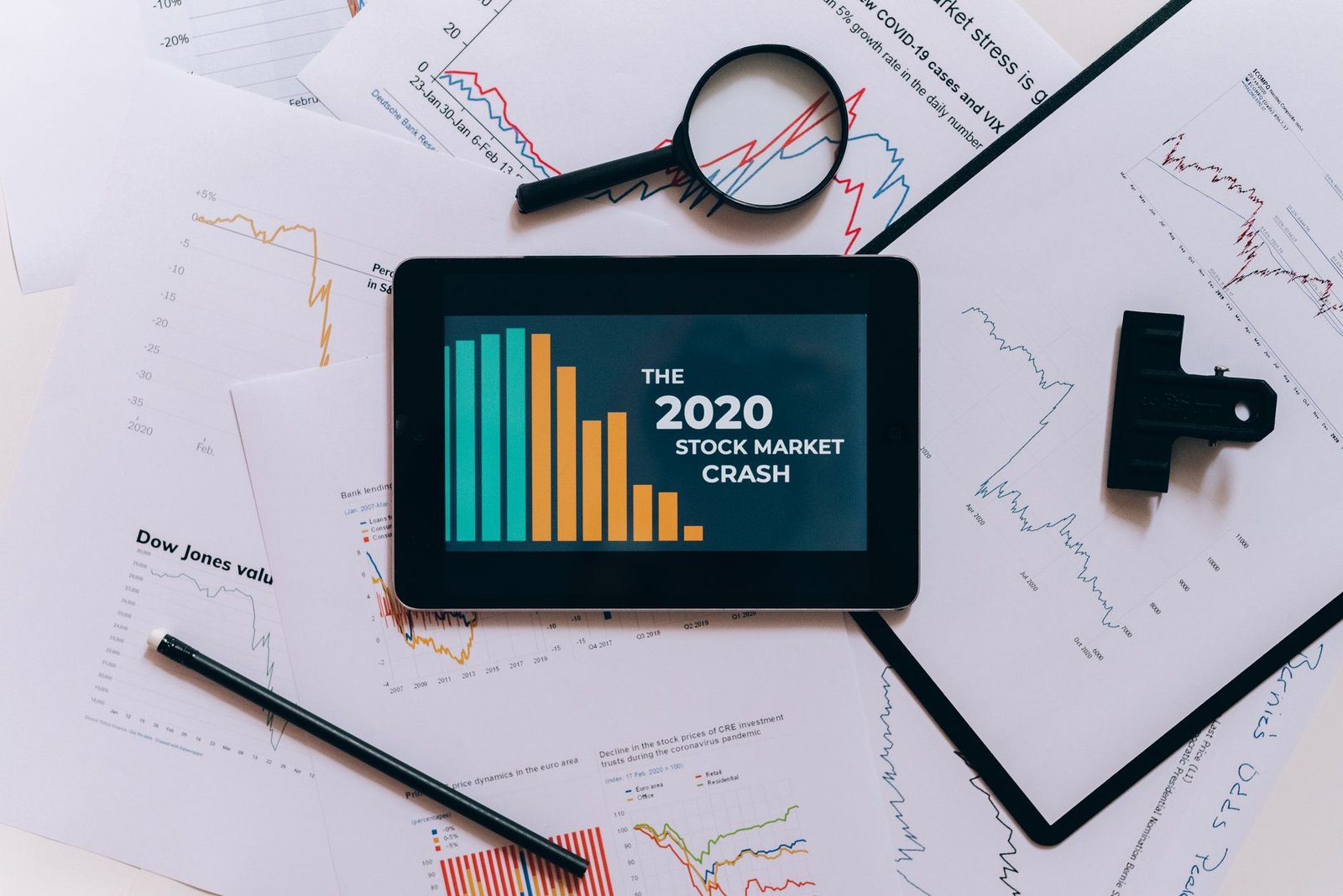

The stock market crash today has left investors reeling as the BSE Sensex tanks over 1,000 points. Understanding the stock market crash is crucial for navigating these turbulent times.
Understanding the Current Market Decline
The recent stock market crash has left investors reeling as major indices experience significant declines. As the BSE Sensex plummeted over 1,000 points, concerns about the underlying reasons have come to the forefront. Understanding the current market decline requires a closer look at several critical factors that have contributed to this turmoil.
First, geopolitical tensions have escalated, causing uncertainty in global markets. Investors often react to news of conflict or instability, leading to a sell-off in stocks. Additionally, inflation rates have surged, prompting fears of tighter monetary policies that could stifle economic growth.
Another contributing factor to the stock market crash is the rise in interest rates. As central banks raise rates to combat inflation, borrowing costs increase, which can dampen consumer spending and business investment. This shift can create a ripple effect throughout the economy, impacting corporate earnings and stock valuations.
Moreover, market sentiment plays a vital role. Panic selling can exacerbate declines, as investors react emotionally to negative news. A lack of confidence in the market can lead to a self-fulfilling prophecy, where fear drives prices down further.
In conclusion, understanding the current market decline requires a comprehensive analysis of economic indicators, investor behavior, and external factors. The stock market crash today serves as a reminder of the complexities and vulnerabilities inherent in financial markets.
Key Factors Behind the BSE Sensex Drop
The recent stock market crash has raised concerns among investors and analysts alike. The BSE Sensex witnessed a significant drop, losing over 1,000 points in a single trading session. Several key factors have been identified as contributing to this decline.
- Global Economic Slowdown: A slowdown in major economies has led to fears of reduced corporate earnings, impacting investor confidence.
- Inflation Surge: Rising inflation rates have prompted concerns about monetary policy tightening, leading to increased interest rates that affect borrowing costs.
- Geopolitical Tensions: Ongoing geopolitical issues have created uncertainty in the markets, prompting investors to adopt a cautious approach.
- Profit Booking: After a prolonged period of market gains, many investors opted for profit booking, resulting in a wave of selling pressure.
- Sector-Specific Issues: Certain sectors, such as technology and finance, have faced unique challenges, further exacerbating the overall market decline.
As these factors unfold, the stock market crash appears to reflect a broader trend of volatility and uncertainty that could persist in the coming weeks. Investors are advised to stay informed and consider long-term strategies amidst the current turbulence.
Impact on Investors and the Economy
The recent stock market crash has sent shockwaves through the financial community, impacting both investors and the broader economy. As the BSE Sensex plunged over 1,000 points, many are left grappling with the potential long-term repercussions of such a steep decline.
For individual investors, the immediate effect is often a loss of confidence. Many are witnessing their portfolios diminish rapidly, leading to increased anxiety and a reevaluation of their investment strategies. The emotional toll can be significant, as investors rush to sell off holdings, fearing further losses.
The ripple effect of this crash extends beyond individual portfolios. The economy as a whole may experience:
- Decreased consumer spending: When investors feel insecure, they are less likely to spend, which can slow economic growth.
- Reduced business investments: Companies may delay or cancel expansion plans due to uncertainty, leading to a stagnation in job creation.
- Increased market volatility: A sudden drop can create a cycle of panic, making the market more susceptible to future fluctuations.
As the fallout continues, experts emphasize the importance of patience and informed decision-making in navigating the aftermath of the stock market crash.
Historical Context of Market Crashes
The history of stock market crashes reveals a pattern of economic upheaval, often triggered by a complex interplay of factors. Understanding this context is crucial for grasping the current challenges in the financial landscape.
Throughout history, several significant events have led to dramatic declines in stock prices. Some of the most notable include:
- The Great Depression (1929): This catastrophic event began with the stock market crash of 1929, leading to widespread economic despair and long-term changes in financial regulation.
- The Dot-com Bubble (2000): Excessive speculation in internet-based companies resulted in a sharp market correction, causing substantial losses for investors and companies alike.
- The Financial Crisis (2008): Triggered by the collapse of the housing market and risky financial instruments, this crisis led to a global recession and a severe stock market crash.
- COVID-19 Pandemic (2020): The onset of the pandemic caused uncertainty and panic selling, resulting in one of the fastest market crashes in history.
These historical examples highlight that stock market crashes can stem from both external shocks and internal weaknesses, underscoring the need for investors to remain vigilant in understanding market dynamics.
What to Expect Moving Forward
As investors navigate the aftermath of the recent stock market crash, it is essential to consider what to expect moving forward. The current environment, characterized by heightened volatility and uncertainty, raises several questions about the future trajectory of the markets.
Firstly, analysts predict that government interventions may play a crucial role in stabilizing the situation. Measures such as interest rate adjustments and fiscal stimulus packages could help restore investor confidence. Additionally, corporate earnings reports scheduled for the upcoming weeks will be pivotal in shaping market sentiment. A better-than-expected earnings season may provide a much-needed boost to stock prices.
Furthermore, market sentiment is likely to remain fragile as investors remain wary of potential further declines. The psychological impact of the recent downturn can lead to cautious trading behavior, resulting in a slow recovery. It is essential for investors to stay informed and consider diversifying their portfolios to mitigate risks associated with another stock market crash.
Lastly, global economic indicators, including inflation rates and geopolitical developments, will continue to influence market dynamics. As these factors unfold, investors should prepare for both opportunities and challenges in the evolving landscape.
In summary, while the path ahead may be uncertain, understanding the underlying factors at play will be key to navigating the aftermath of the stock market crash.
Photo by Leeloo The First on Pexels